

The scorpion spider, despite its misleading name, is not a spider but a member of the order Scorpiones, which is part of the class Arachnida. These unique arachnids exhibit a fascinating combination of physical and behavioral characteristics that distinguish them from other arthropods.
Next, we will explore the characteristics of the scorpion spider, its behavior and habitat, the dangers it poses to humans, and its ecological importance and conservation.
Scorpions have a body divided into two parts: the prosoma (or cephalothorax) and the opisthosoma (or abdomen), which ends in a telson equipped with a venom gland. This telson is the most feared component, as it has a stinger that injects venom to paralyze its prey. Unlike true spiders, scorpions have four pairs of legs and a pair of pedipalps that end in pincers.
The behaviour of these arachnids is fascinating and adapted to their nocturnal lifestyle. Scorpions prefer to hide in crevices, under rocks or in fallen logs during the day to avoid dehydration and extreme temperatures. At nightfall, they emerge to hunt, using their pincers to capture and paralyse their prey with venom.
The scorpion spider's diet consists mainly of insects, although some species also hunt small vertebrates such as lizards or rodents. Their role in the ecosystem is crucial as they help control insect populations, which contributes to maintaining the ecological balance in their habitats. Despite their fearsome reputation, their presence is beneficial to the health of the ecosystems they inhabit.
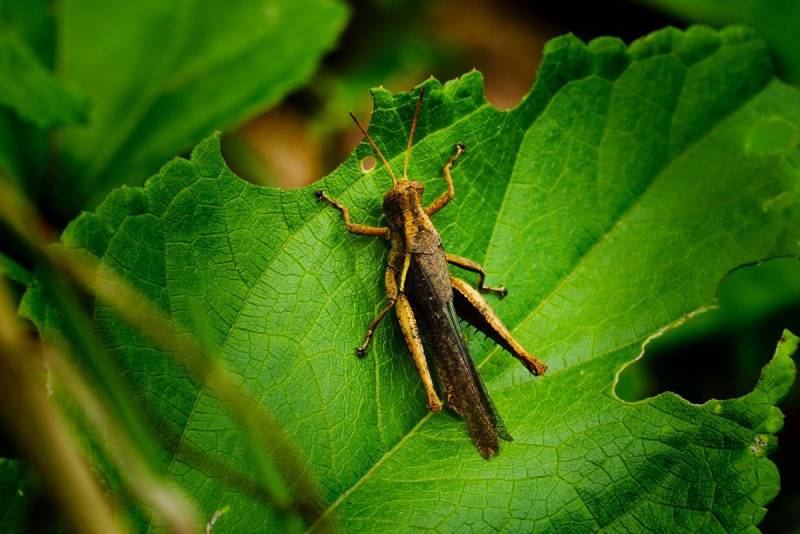
Furthermore, the venom of the scorpion spider has attracted the attention of medical researchers due to its potentially useful properties. In particular, their venom has been studied to develop new painkillers and cancer treatments, underlining the importance of these arachnids in medical science.
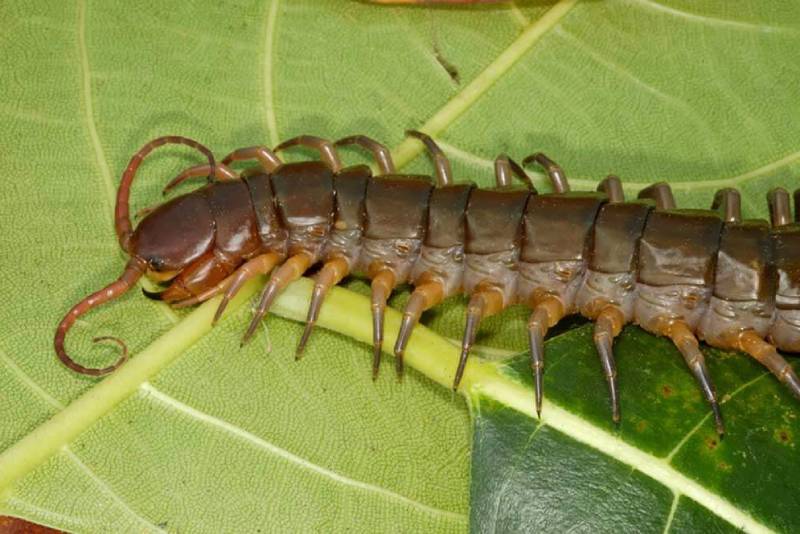
Scorpions are present in a variety of ecosystems, from arid deserts to tropical forests. Their ability to survive in extreme conditions allows them to inhabit dry, hot regions with sparse vegetation in North America, South America, Africa, Asia and Australia. Although they are adaptable, their survival is threatened by urbanization and deforestation, which destroy their natural habitats.
Conservation of these arachnids requires efforts to protect their habitats and educate local communities about their ecological importance. Creating protected areas and promoting sustainable practices are essential to ensure that these ecosystems continue to function in a healthy manner.
Scorpion spider venom can be dangerous, especially for children and older people, whose responses to the venom can be more severe. Although most bites cause pain, swelling, and numbness, severe cases can lead to symptoms such as seizures and difficulty breathing. Prevention is key: shaking out clothing and footwear before wearing them and keeping outdoor areas clean can reduce the risk of unwanted encounters.
In the event of a bite, it is crucial to seek immediate medical attention. Treatment may include painkillers, antihistamines, and in severe cases, antivenom. Prompt medical intervention can minimize the impact of the bite and prevent serious complications.
Scorpions have been the subject of myths and legends due to their intimidating appearance and venom. In some cultures, they are attributed with magical or evil powers, while in others they are seen as symbols of protection. However, it is essential to distinguish between mythology and scientific reality. Although some species of scorpions have venom that can be dangerous, not all are poisonous to humans, and many only attack if they feel threatened.
To prevent scorpion spider bites, it is important to perform careful inspections and keep the area clean. In the event of a bite, seeking immediate medical attention is essential to receive proper treatment. With preventative measures and timely treatment, it is possible to minimize the risks associated with these arachnids.
The scorpion spider plays a vital role in its ecosystem as a predator of insects and contributes to nutrient cycling. However, its survival is at risk due to habitat loss. Implementing conservation measures and educating about its ecological importance are vital steps to protect these arachnids and ensure they continue to play their role in nature.


